Quick answer
Planning a wedding means managing a series of linked events — rehearsal dinner, ceremony, and reception — under enormous emotional pressure, because the couple is trusting you with one of the biggest days of their lives. Success comes from meticulous organization, clear communication with the couple, strong vendor coordination, and a detailed timeline with contingencies. Sweat the details; this is a day with no second take.
- A wedding is several events in one — plan each stage.
- Communication with the couple is everything.
- A detailed timeline and backup plan prevent disasters.
A wedding is the big day in a couple’s life, and if you have managed one you know the weight of responsibility behind it. The bride and groom are relying on you, and your event management skills are tested to the limit. A wedding involves so many moving parts that things can easily go wrong — which is exactly why it rewards careful planning more than almost any other event.
A wedding is really a sequence of events, from the rehearsal dinner through the ceremony to the reception. Here is how to manage all of it without losing your mind — or the couple’s trust.
A Wedding Is Many Events
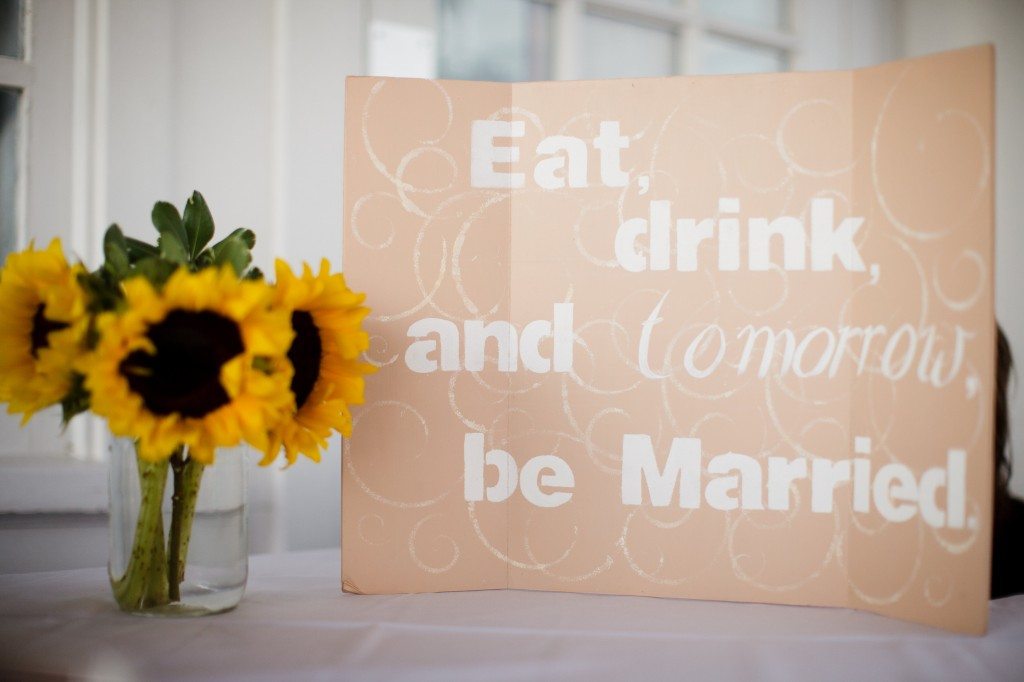
One of the first things to grasp is that a wedding is not a single event but several: often a rehearsal dinner, the ceremony itself, and the reception, sometimes with additional gatherings around them. Each has its own venue, timing, guest list, and mood. Treating them as one blurry occasion is how details slip; treating them as linked-but-distinct events keeps everything in focus.
Communicate With the Couple
This is the most emotionally charged event you will plan, so communication is everything. Understand the couple’s vision, their must-haves, and their non-negotiables, and check in regularly without overwhelming them. Manage expectations honestly about what the budget allows. The couple needs to feel both heard and reassured — that you have it handled.
On a wedding day there is no rehearsal for the real thing — only the plan you prepared.
Budget and Priorities
Weddings stir strong emotions, which makes overspending easy. Help the couple set a realistic budget and decide their priorities — what they will splurge on and where they will economize. A clear budget with a contingency line keeps the day beautiful without financial regret afterward. Guide the choices toward what the couple values most, not what tradition dictates.
Coordinate the Vendors
A wedding pulls together many vendors — venue, caterer, florist, photographer, musicians, officiant, and more. Your job is to coordinate them into one seamless day: confirm contracts and timings, share the schedule, and be their single point of contact. Good vendor relationships and clear briefs prevent the gaps and overlaps that cause day-of chaos.
Build a Detailed Timeline
The wedding-day timeline is your most important document. Map every moment — hair and makeup, arrivals, ceremony, photos, reception, speeches, first dance, departures — with times, locations, and who is responsible. Share it with vendors and key participants. A precise timeline keeps the day flowing and gives everyone a shared script to follow.
Plan for the Unexpected
Weather turns, suppliers run late, things break. Because a wedding cannot be rescheduled on the day, contingency planning is essential: a wet-weather backup, a spare timeline buffer, an emergency kit, and a calm plan for handling surprises out of the couple’s sight. The mark of a great wedding planner is solving problems the couple never even learns about.
Final Thoughts
Managing a wedding is event planning at its most demanding and most rewarding. Treat it as a sequence of linked events, communicate constantly with the couple, budget by priorities, coordinate vendors tightly, and run the day from a detailed timeline with contingencies built in. Do that, and you give a couple the day they will remember for the rest of their lives.
Recommended next read
The skills that make demanding events like weddings run smoothly.
FAQ
How do I plan a wedding event?
Treat the wedding as a sequence of linked events — rehearsal dinner, ceremony, reception — and plan each. Communicate closely with the couple, set a budget by priorities, coordinate all vendors, build a detailed day-of timeline, and prepare contingencies. Meticulous organization matters because the day cannot be repeated.
What is the most important part of wedding planning?
Communication with the couple and a detailed timeline. Understanding their vision and priorities ensures the day reflects them, while a precise, shared timeline keeps vendors and participants aligned so the day flows smoothly from start to finish.
How do I handle problems on the wedding day?
Prepare contingencies in advance — a weather backup, schedule buffers, and an emergency kit — and handle surprises calmly and out of the couple’s sight. The best wedding planners solve issues the couple never even notices, protecting the experience of their day.