Quick answer: use Elementor to design the event page, and use Tickera shortcodes to power the ticket-selling parts. Elementor should improve the layout, copy, and conversion flow. Tickera should still handle tickets, checkout, order emails, and check-in.
This separation matters. Event pages need to look good, but they also need to work under pressure. A beautiful page that hides the ticket table, confuses ticket options, or breaks the checkout flow will cost sales. The best setup uses Elementor for presentation and Tickera for the transaction workflow.
Quick Takeaways
- Add Tickera ticket tables to Elementor pages with the Shortcode widget.
- Keep one main ticket section per event page to avoid confusion.
- Use Elementor sections to explain the event before asking for the sale.
- Test the complete buyer journey after every layout change.
- Make the mobile ticket section easy to read and use.
- Do not recreate ticketing logic manually in Elementor widgets.
Why Elementor Works Well With Tickera
Elementor is useful when you want more control over the event page experience: hero sections, speaker blocks, schedules, testimonials, sponsor rows, FAQs, call-to-action buttons, and mobile layout tweaks. Tickera is useful because it already understands tickets, events, orders, emails, and check-in. Combining them lets you build better sales pages without replacing the ticketing system.
The important rule is simple: design around the ticket purchase, not over it. Visitors should understand the event, see the value, trust the organizer, choose a ticket, and complete checkout without friction.
Find the Tickera Shortcode for Your Event
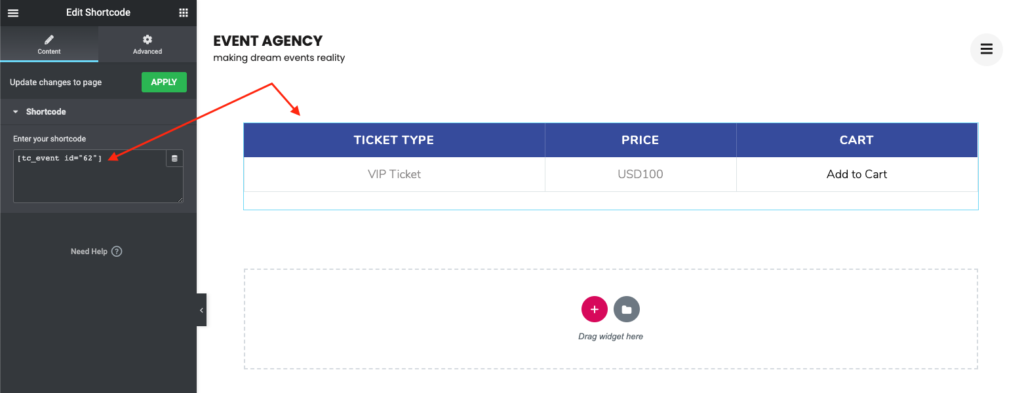
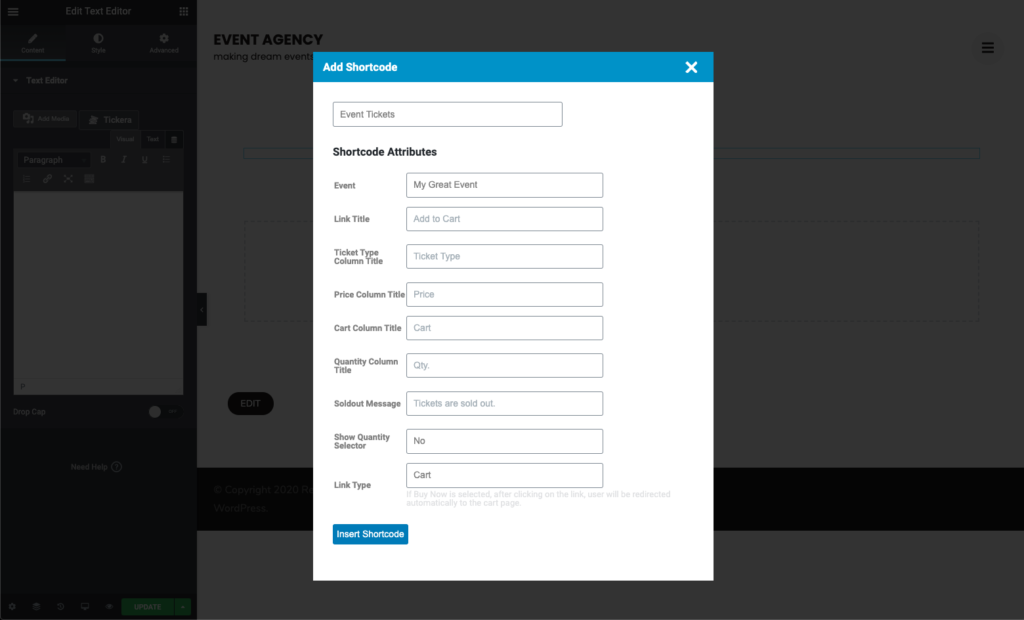
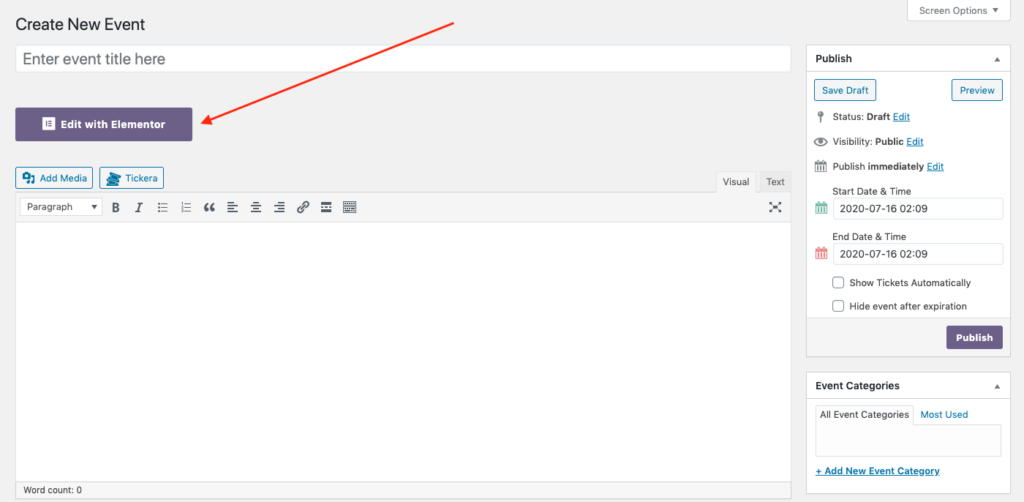
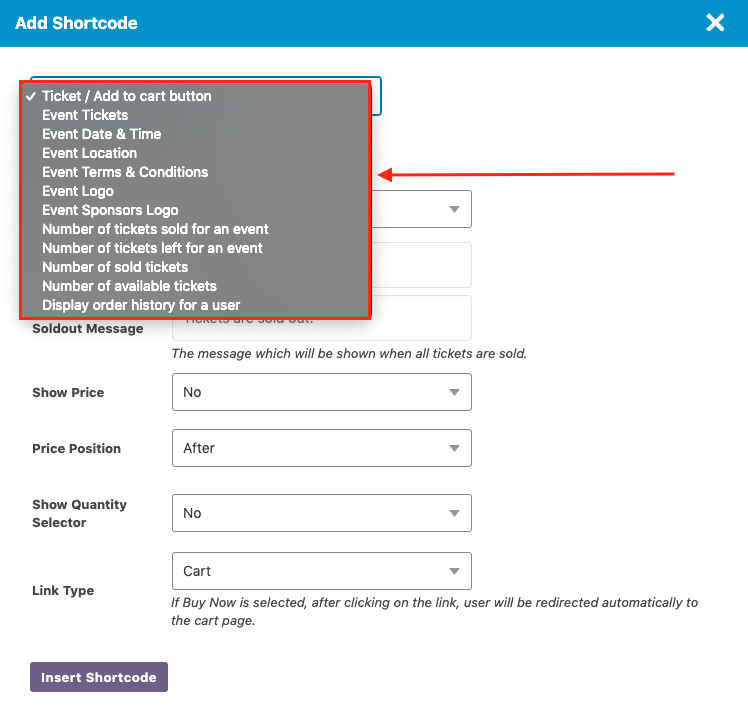
Go to the Tickera event list in the WordPress dashboard and copy the shortcode for the event you want to promote. That shortcode displays the ticket options for the selected event. It is the bridge between the Elementor design and the Tickera ticketing workflow.

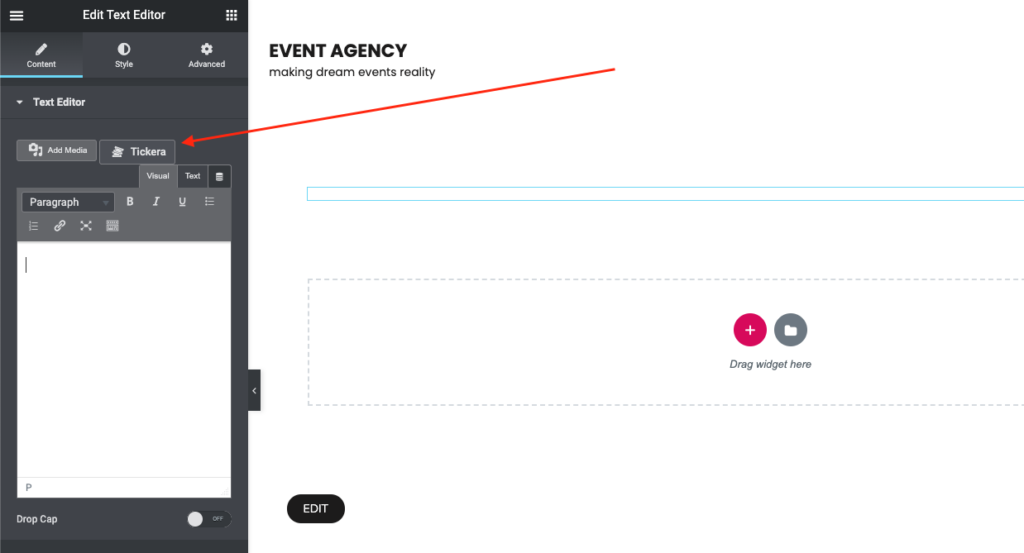
In Elementor, add the Shortcode widget where you want the ticket table to appear. Paste the Tickera shortcode, update the page, and preview the result on the front end. If the ticket table feels cramped, adjust the Elementor column width, spacing, and responsive settings rather than editing the shortcode itself.
Recommended Event Page Structure
A strong event page does not simply place a ticket table at the top and expect visitors to buy. It builds the case first. The visitor should quickly understand what the event is, who it is for, why it is worth attending, when and where it happens, and what ticket option makes sense.
| Section | Elementor role | Tickera role |
|---|---|---|
| Hero | Headline, date, location, main CTA | CTA links to ticket section |
| Value section | Benefits, audience fit, highlights | Creates buying intent |
| Schedule or details | Agenda, speakers, venue info | Reduces uncertainty |
| Ticket section | Shortcode widget and supporting copy | Displays available tickets |
| FAQ | Answers objections before checkout | Reduces support requests |
If you want a deeper page-planning framework, use the structure from our guide on building event landing pages that sell tickets. The same conversion principles apply whether the page is built with Elementor, Gutenberg, or a custom theme.
Place the Ticket Section Where Buyers Are Ready
The ticket section should be easy to find, but it should also appear after enough context. A good pattern is to place a “Buy tickets” button in the hero that scrolls to the ticket section, then place the actual Tickera shortcode after the event value and practical details.
Avoid adding several different ticket tables across the same page unless you have a very specific reason. Multiple ticket sections can create confusion, especially if ticket availability changes or one section is updated and another is not.
Optimize the Mobile Experience
Many ticket buyers will land on the page from email, social posts, or ads on a phone. That means the Elementor mobile layout matters as much as the desktop version. Check spacing around the ticket table, button visibility, column stacking, font size, and whether the price and ticket name are easy to read.
Do not hide the ticket section too far down the mobile page. If the page is long, use sticky or repeated “Buy tickets” anchor buttons that move visitors to the main Tickera ticket table. This keeps the page clean without duplicating the ticketing logic.
Test the Full Checkout Path
After editing an Elementor event page, test more than the visual preview. Select a ticket, open the cart or checkout, complete a test purchase if your setup allows it, confirm that the ticket email arrives, and verify that the ticket can be checked in. A visual page builder change should never be considered finished until the transaction path works.
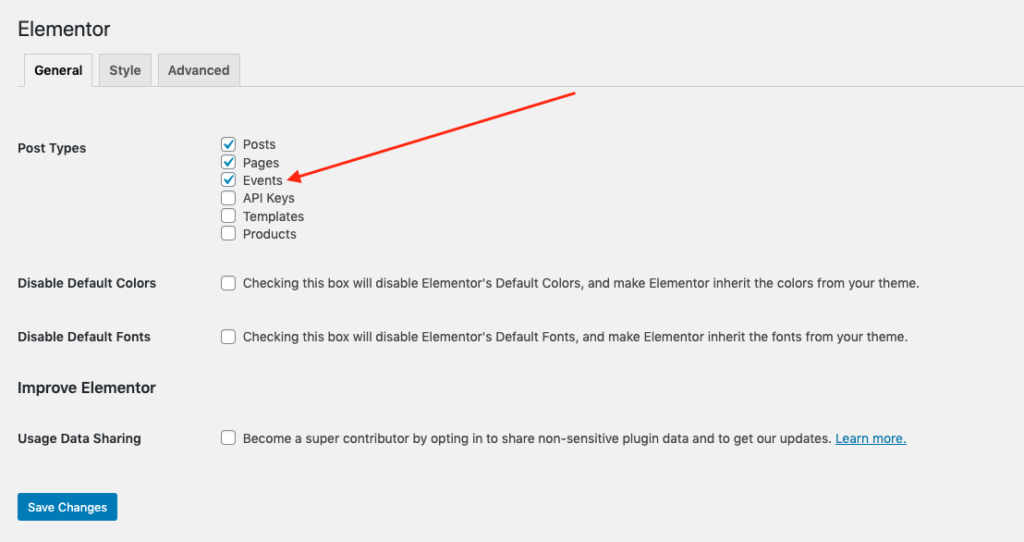
This is especially important when the page uses popups, custom buttons, anchor links, sticky headers, or third-party Elementor add-ons. Any of those can interfere with the buying flow if not tested carefully.
Elementor + Tickera Publishing Checklist
- Copy the correct shortcode from the Tickera event list.
- Place it inside Elementor’s Shortcode widget.
- Add a clear event promise above the fold.
- Use one main ticket section and link CTAs to it.
- Check desktop, tablet, and mobile layouts.
- Confirm the ticket table is readable on mobile.
- Test checkout, confirmation emails, ticket download, and check-in.
- Update the page when ticket names, prices, or dates change.
Recommended next read
Design the page in Elementor, then make it sell with these guides: building an event landing page that sells and choosing a ticketing system.
Frequently Asked Questions
Can I use Tickera shortcodes inside Elementor?
Yes. Add Elementor’s Shortcode widget to the page and paste the Tickera event shortcode. The shortcode output will render the ticket options on the front end.
Should I build the ticket table manually in Elementor?
No. Use Tickera for ticket logic and Elementor for layout. Manual ticket tables can become outdated and may not connect properly to checkout or availability rules.
What should I test before publishing?
Test the ticket selection, checkout, confirmation email, ticket download, and check-in flow. Also check the layout on mobile devices.
Tickera and Elementor can produce strong event sales pages when each tool has a clear job. Elementor makes the page persuasive and easy to navigate. Tickera keeps the ticketing workflow reliable. Keep those roles separate, and your event page will be easier to design, easier to maintain, and safer to send traffic to.