Quick answer
Planning a music event means balancing the artistic and the operational: book the right artists for your audience, secure a venue with the sound and capacity you need, handle permits, licensing, and safety, set up ticketing and promotion early, and plan production and crowd flow for the day. The music is the draw; the logistics decide whether the night actually works.
- Match the lineup to your audience and venue.
- Sort licensing, permits, and safety before anything else.
- Sell tickets and promote early; plan production for the day.
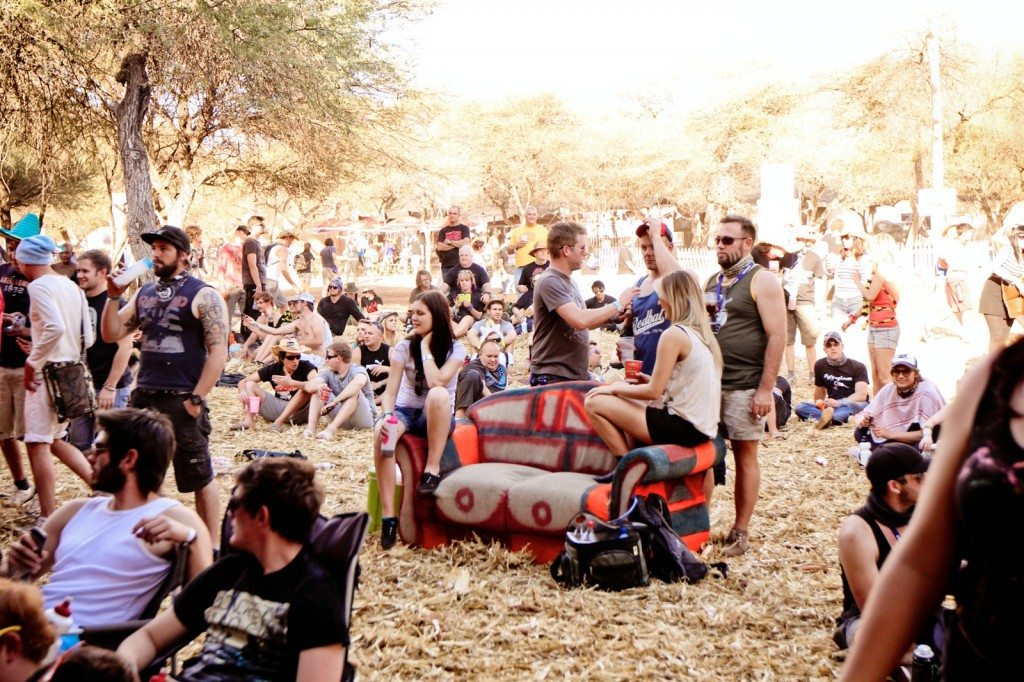
Music events — concerts, gigs, and festivals — bring people together like little else. Artists local and international share their talent, and fans of every genre turn out in force. But behind every great show is a mountain of planning: the magic on stage depends entirely on the logistics behind it.
Book the Right Lineup
Your lineup is the product. Choose artists whose genre and following match the audience you want and the scale you can fill. A strong headliner sells tickets; well-chosen support acts shape the experience. Confirm fees, technical riders, and availability early, and get everything in writing — booking is where many music events overspend or fall through.
Venue and Sound
For music, the venue’s acoustics and sound capabilities matter as much as its size. Match capacity to your realistic ticket sales, check the stage, power, and load-in access, and confirm whether sound and lighting are provided or you must bring them. Indoor or outdoor changes everything from permits to weather planning. See our guide on choosing the right venue.
Permits, Licensing, and Safety
Music events carry specific legal requirements: performance and music licensing, noise permits, alcohol licenses if you serve drinks, and crowd safety obligations. Sort these early — they can take time and are non-negotiable. Plan security, medical cover, and crowd management appropriate to the size of the event. Cutting corners here risks the whole event.
The crowd remembers the headliner. The authorities remember whether you had the right permits.
Ticketing and Pricing
Set up ticketing early, with tiers that build momentum — early bird, general admission, and VIP. Selling through your own site keeps fees and fan data with you, which is gold for promoting future shows. For multi-day or multi-stage events, plan ticket types carefully; our walkthrough on running a music festival shows how, and ticket pricing strategy covers the tiers.
Promotion
Music fans decide early and follow the artists, so start promotion well ahead and lean heavily on the performers’ own audiences. Social media, the event hashtag, and partner shares do the heavy lifting. Build anticipation with lineup reveals and countdowns. Our guide on how to promote your event applies directly to gigs and festivals.
Production and the Day
On the day, production runs the show: sound checks, stage changeovers, set times, lighting, and a clear schedule everyone follows. Plan fast entry so queues do not kill the mood — see ticket check-in at the door — and keep bars, facilities, and crowd flow moving. Tight production is invisible to fans, which is exactly the point.
Final Thoughts
A great music event is artistry built on logistics. Book a lineup that fits your audience, choose a venue that sounds right, handle licensing and safety properly, sell tickets and promote early, and run tight production on the day. Get the operational foundation right and the music does what it does best.
Recommended next read
Running something bigger? See the full multi-day festival setup.
FAQ
How do I plan a music event?
Book a lineup that fits your audience and budget, secure a venue with the right sound and capacity, handle licensing, permits, and safety, set up ticketing and promotion early, and plan production and crowd flow for the day. The music draws people; the logistics make it work.
What licenses do I need for a music event?
Typically music performance licensing, and depending on your location and event, noise permits, alcohol licenses, and crowd safety approvals. Requirements vary by area, so confirm with the venue and local authorities early, as they take time and are essential to running legally.
How do I sell tickets for a concert or festival?
Set up ticketing early with tiers like early bird, general admission, and VIP, and sell through your own site to keep fees and fan data. For multi-day or multi-stage events, plan distinct ticket types per day or area, and test the full purchase and check-in flow before launch.